
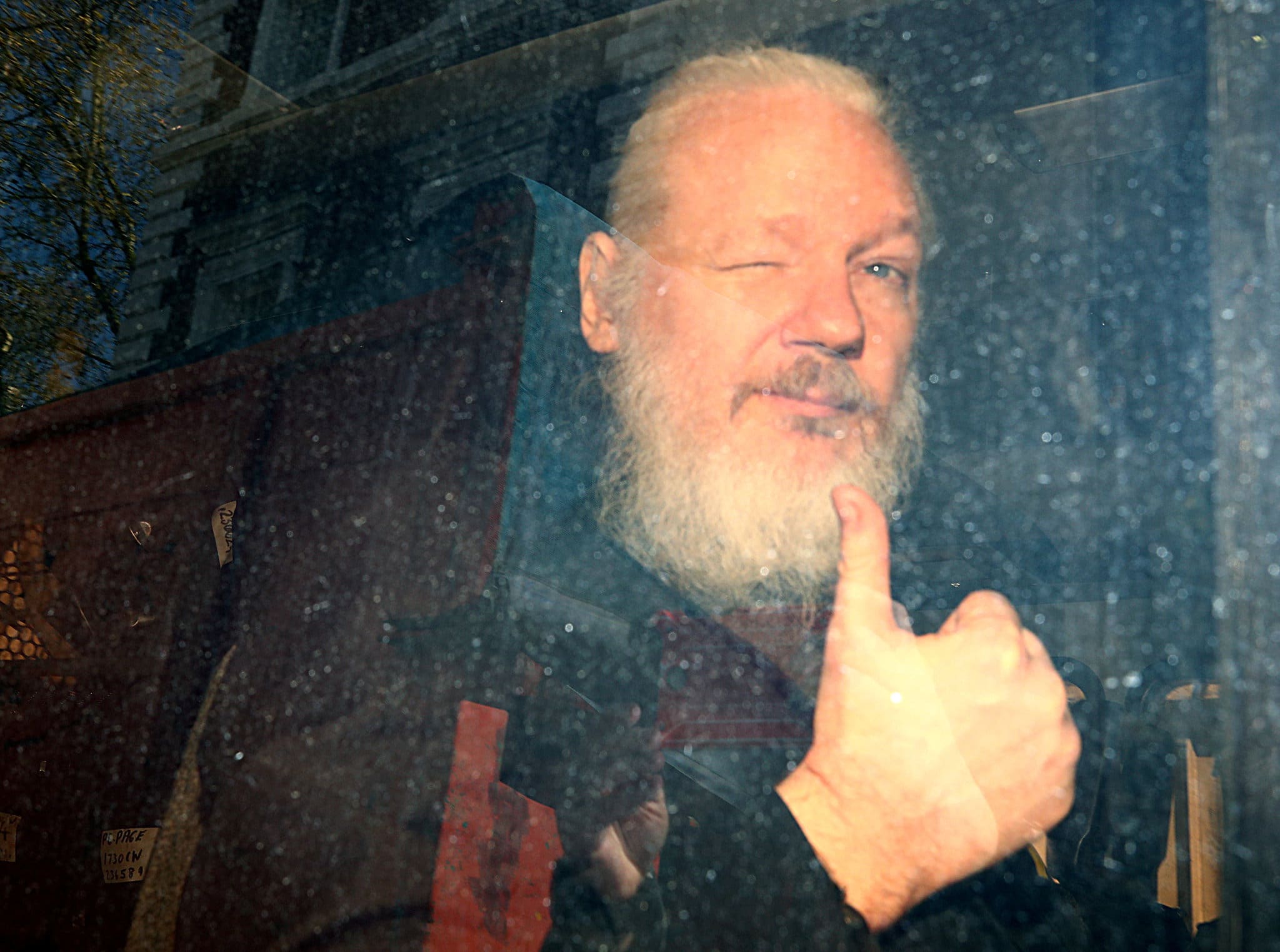
Wikileaks founder Julian Assange could not be sent (extradited) to the United States, a London court has ruled.
The judge ruled in his favor because of concerns over Mr. Assange’s mental health and the risk of suicide in the United States.
‘Politically Motivated’
The 49-year-old man was wanted for the publication of thousands of classified documents in 2010 and 2011.
The United States says the leak violates the law and endangers lives. Mr Assange opposed the extradition and said the case was politically motivated.
U.S. authorities have 14 days to file a review and are expected to do so.
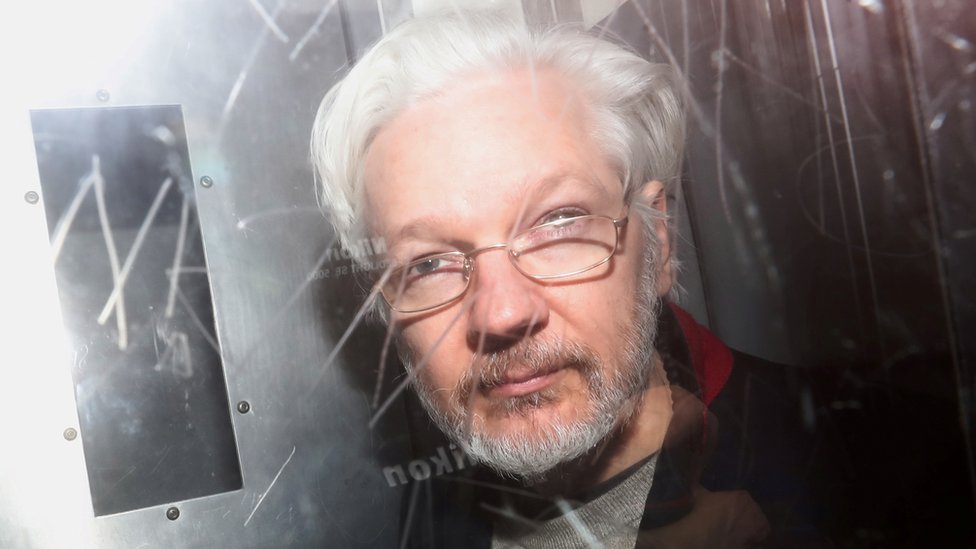
Mr Assange will now be remanded in Belmarsh Prison – where he is being held – a full bail application will be granted on Wednesday.
The Verdict At A UK Court
His lawyer, Ed Fitzgerald, told the court there would be evidence that Mr Assange would not run away.
District Judge Vanessa Baraitser ruled that while US prosecutors met the tests for Mr Assange to be extradited for trial, the US was incapable of preventing him from attempting to take his own life.
She pointed out the evidence of his self-inflicted wounds and suicidal thoughts and said: “The perfect view is that of a depressed and sometimes desperate person who fears for his future.”
She said: “Faced with the situation of complete isolation without the protective features that reduce the risk to HMP Belmarsh, I am satisfied that the US-defined procedures will not prevent Mr Assange from finding a way to commit suicide and for this reason I have decided that “
The exact wordings of the judge are given below:
“Faced with the conditions of near total isolation without the protective factors which limited his risk at HMP Belmarsh, I am satisfied the procedures described by the US will not prevent Mr Assange from finding a way to commit suicide and for this reason I have decided extradition would be oppressive by reason of mental harm and I order his discharge.”
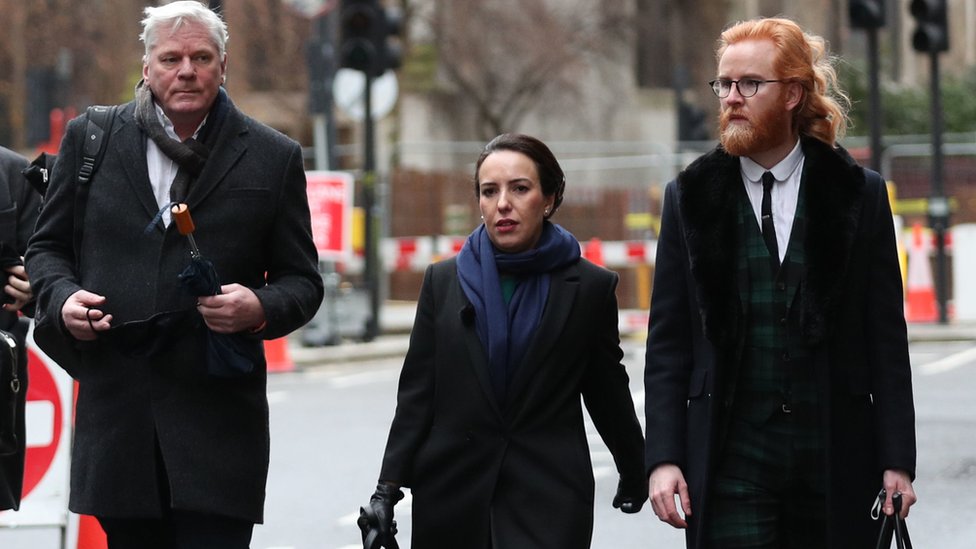
Mr Assange, who was wearing a blue suit and blue face mask in the harbor, closed his eyes as the judge read his verdict on Monday.
His fiancée Stella Moris, who has two young sons, cried and was comforted by Wikileaks editor-in-chief Kristinn Hrafnsson, who sat next to her in court.
What If Mr Assange Was Extradited?
If convicted in the US, Mr Assange faces up to 175 years in prison, his lawyers said. However, the US government said the sentence could be between four and six years.
Mr Assange faces 18 charges from the US government, accusing him of plotting to break into US military records to obtain confidential information about the Afghan and Iraqi wars, which were published on the WikiLeaks website.
He asserted that his confession had been obtained through torture.
But U.S. prosecutors said the leak of seized property was a life-threatening threat, so the United States demanded that it be returned to the UK.
Deportation is a process in which one country can ask another to give a suspect to face trial.
Following the judge’s decision, most politicians submitted their response.
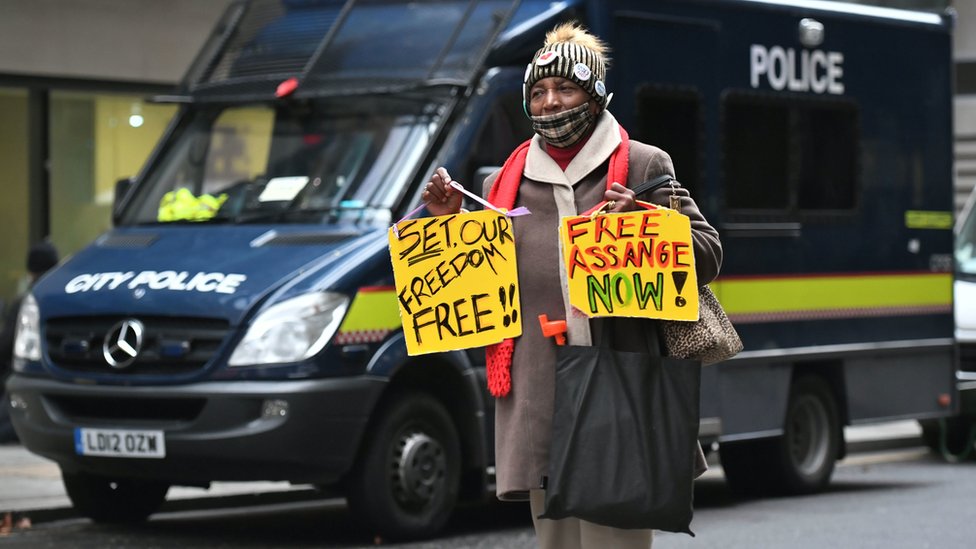
The Reactions
“The good news is that Julian Assange’s ouster has been banned,” Conservative MP David Davis said on Twitter. “External agreements should not be used for political persecution.”
Former home affairs secretary Diane Abbott called it a “very good decision” / ‘excellent ruling’.
“Congratulations to all the dogged campaigners on Assange’s behalf,” she added.
Journalist and documentary maker John Pilger, who has been a vocal campaigner for Mr Assange, also tweeted that it was “wonderful”, adding the UK ruling was a “face-saving cover for the British to justify their disgraceful political trial of Assange on America’s behalf”.
Mr Assange was jailed for 50 weeks in May 2019 for violating the terms of his bail after hiding in the Ecuadorian embassy in London.
He fled the embassy for seven years from 2012 until his arrest in April 2019.
At the time he fled to the embassy, he had been facing extradition to Sweden on allegations of sexual assault which he denied. That case was later dropped.

