

The United Arab Emirates could reopen trade relations with Qatar within a week of an agreement that ended a bitter dispute between the Gulf states.
However, Emirati Foreign Minister Anwar Gargash said some issues would take longer to resolve.
The UAE, Saudi Arabia, Bahrain and Egypt imposed sanctions on Qatar in 2017. They accused Qatar of supporting terrorism, which it denied.
Restoration Of Diplomatic Relations
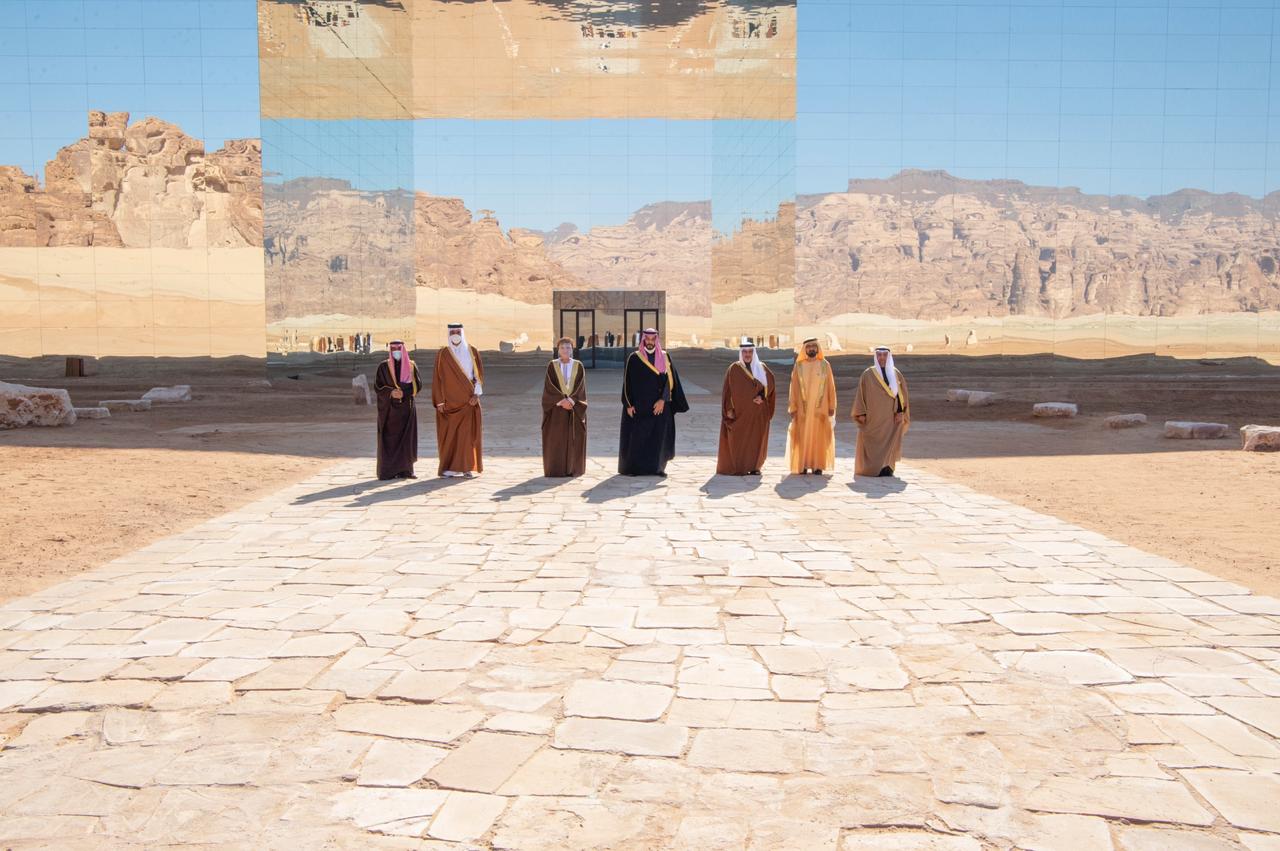
Neighbours agreed to renew full diplomatic relations at the conference on Tuesday.
A joint statement issued by Kuwait and the United States promised to “restore cooperation” between the six members of the Gulf Co-operation Council (GCC), but did not provide timelines.
At a virtual news conference on Thursday, Mr Gargash stressed that the UAE was “behind this deal, and positive about the prospect of re-establishing relations with Qatar”.
“The return of [human] movement and trade between the two countries … will be within a week of signing,” he said.
But he added: “Some problems are easy to fix and some will take longer.
“We have a great start … but we have problems with rebuilding trust.”
Qatar’s Foreign Minister Sheikh Mohammed bin Abdulrahman Al Thani, meanwhile, told the Financial Times that it had approved the suspension of charges against its neighbors related to the ban, and that it would work together to fight terrorism and“transnational security”.
But he also said that Qatar would not change its close ties with Iran and Turkey, which Mr Gargash accused of interfering with the Arab monarchy and incitement.
“The relationship between the two countries is largely driven by national decision … and national interests,” he said. “So it does not affect our relations with another country.”
The Background
Qatar has long been pursuing a foreign policy by prioritizing various things in other Gulf states, but there have been two major issues that have angered its neighbors.
One was Qatar’s support for Islamists. Qatar acknowledged providing assistance to Islamist groups designated as terrorist organisations by some of its neighbours, notably the transnational Muslim Brotherhood. But it denied aiding jihadist groups like al-Qaeda or Islamic State (IS).

Another important issue is Qatar’s relationship with Iran, which is involved in the world’s largest gas field. Iran, a Shia Muslim state, is a major rival of the Sunni Muslim-controlled region in Saudi Arabia.
Qatar’s defense cooperation with Turkey has also affected its neighbors. Like Qatar, Turkey supports groups affiliated with the Muslim Brotherhood in the Middle East. It and the UAE also back opposing sides in the conflict in Libya.
What Happened Three Years Ago?
In June 2017, Saudi Arabia, the UAE, Bahrain and Egypt severed all diplomatic, political and trade relations.
Qatar’s only land border was closed; ships flying the Qatari flag or those who served Qatar were barred from reaching many ports; and a large regional airspace is closed to Qatari flights.
Countries have given Qatar 13 requirements as conditions to end the ban. They include the closure of Al Jazeera and other Qatar-sponsored media outlets; reduced diplomatic relations with Iran; closure of Turkish military base in Qatar; and eliminating “interference” in internal affairs.
Qatar has refused to comply with the rules, saying it will not allow “surrender” to its sovereignty and that the “ban” violates international law.
The emirate established new trade routes with Iran and Turkey to ensure the basic needs of its 2.7 million people are met, and used its oil and gas resources to support its economy.
The two countries in the six-member Gulf Co-operation Council have not decided to contact Qatar – Kuwait and Oman. Kuwait has acted as mediator in the dispute.

