

Political ties have been renewed between Qatar and four Arab countries that have imposed sanctions on it for three years, the Saudi foreign minister said.
Prince Faisal bin Farhad told reporters that the two countries had agreed to “completely put aside their differences” at the Gulf Cooperation Council conference on Tuesday.
Earlier, the Saudi Arabian crown prince publicly welcomed the Qatari emir.
The Background
Saudi Arabia, the UAE, Bahrain and Egypt severed ties with Qatar in 2017, accusing it of supporting terrorism.
The small, oil-rich country has denied the allegations and rejected measures to lift part of the ban, including shutting down Doha-based broadcasting network and curtailing relations with Iran.
In recent months, Kuwaiti and American mediators have made efforts to stem the tide.
Official Statements
At Tuesday’s summit at the Saudi heritage site in al-Ula, leaders of the six GCC member states signed an agreement that Saudi Crown Prince Mohammed bin Salman said he was confirming “our solidarity of the Gulf, Arab and Islamic”.

“There is a desperate need today to unite our efforts to promote our region and to confront challenges that surround us, especially the threats posed by the Iranian regime’s nuclear and ballistic missile programme and its plans for sabotage and destruction,” he added.
Later, Prince Faisal told a press conference: “What happened today … a turnaround on all points of difference and a complete restoration of political relations.”
Restoration
On Monday night, Saudi Arabia agreed to reopen land and sea borders and airspace to Qatar.
The removal of the Qatar ban has taken months of patient, difficult negotiations, especially by Kuwait, but with urgent encouragement from the White House as the Trump presidency comes to an end.
The three-and-a-half-year “ban” has been a major blow to Qatari’s economy and the idea of Gulf unity. Qatari will not forgive or forget in haste what they see as the backbone of their Gulf Arab neighbors.
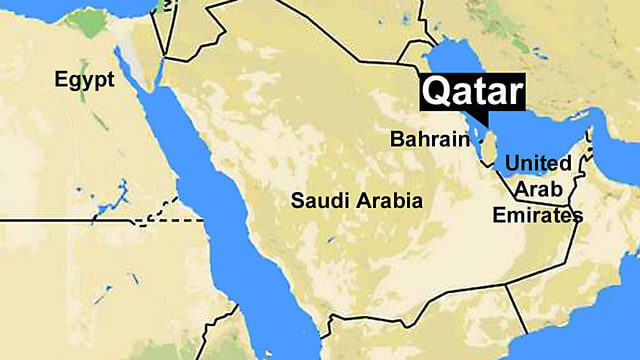
But despite the national anthems one country in particular – the UAE – has serious doubts that Qatar will actually change its ways. While Qatar denies its support for terrorism it has supported Muslim political parties in Gaza, Libya and elsewhere, particularly the international Muslim Brotherhood the UAE sees as a threat to its sovereignty.
Meanwhile, the ban, if any, has pushed Qatar closer to Saudi Arabia’s ideological enemies: Turkey and Iran.
What Was The Issue?
Qatar has long been pursuing a foreign policy of priority by prioritizing various other Gulf states, but there are two key issues that have angered its neighbors over the past decade.
One is Qatar’s support for Islamists. Qatar acknowledges providing assistance to Islamist groups designated as terrorist organisations by some of its neighbours, notably the Muslim Brotherhood. But it denies aiding jihadist groups like al-Qaeda or Islamic State (IS).
Another important issue is Qatar’s relationship with Iran, which joins them in the world’s largest gas sector. The Shia Muslim power is the main rival of the Sunni Muslim-controlled region.
Worsening Of Ties Three Years Ago
In June 2017, Saudi Arabia, the UAE, Bahrain and Egypt severed all telecommunications and trade relations.
Qatar’s only land border was closed; ships flying the Qatari flag or those who served Qatar were barred from reaching many ports; and a large regional airspace is closed to Qatari flights.
Countries have given Qatar 13 requirements as conditions to end the ban. These include closing down Al Jazeera and other Qatari-sponsored media outlets, reducing political ties with Iran, closing down a Turkish military base in Qatar, and ending “interference” in foreign affairs.
Qatar has refused to comply with the rules, saying it would not agree to “surrender” its sovereignty and that the “ban” on its neighbors violates international law.
The emirate established new trade routes with Iran and Turkey to ensure the basic needs of its 2.7 million people are met, and used its oil and gas resources to support its economy.
The two countries in the six-member Gulf Co-operation Council have not decided to contact Qatar – Kuwait and Oman. Kuwait served as mediator in the dispute.
Historic Success Today
US President Donald Trump unexpectedly backed Saudi Arabia and its allies at the start of the conflict, accusing Qatar of being a “terrorist supporter” even though the country hosted the largest US military base in the Middle East, the al-Udeid airbase.
But Mr Trump’s aides urged him to take sides, and in 2018 he praised Sheikh Tamim’s work in fighting terrorist financing at the White House rally.
Kuwaiti’s mediation efforts did not appear to have made any progress until late last year, when Trump’s administration stepped up pressure on all sides to end the suspension that thwarted their efforts to unite the Sunni-led coalition against Iran and its lawyers.
Mr Trump’s son-in-law and his top adviser Jared Kushner visited Saudi Arabia and Qatar in December, and reportedly flew to al-Ula on Monday to attend the summit.

