
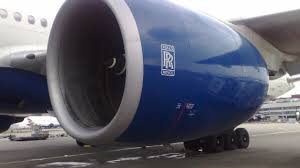
Aerospace giant Rolls-Royce expects to burn through more cash than expected this year as planes powered by its engines fly less amid the pandemic.
The company, which has already cut billions of pounds in costs, expects £ 2bn of cash to leave the business by 2021, which is more than double the predictions.
It is paid on the number of hours its engines are in use, so the Covid restrictions hit its revenues.
Selling Assets
New coronavirus problems also make speculation harder, it added.
Roll-Royce, the engine that powers most Boeing and Airbus aircraft, said airline expectations for this year were expected to be 55% of those seen in 2019, down from the previous 70%.
The news sent the company’s shares down 9% in London’s Stock-exchange pre-trading hours.
To tighten its grip, the company has already announced its plans to sell billions of pounds of assets. It also reduced more than £ 1bn in costs by disrupting 9,000 jobs and closing factories.
“Continued progress on vaccination programmes is encouraging for the medium-term recovery of air traffic and economic activity,” Rolls-Royce said in a statement on Tuesday.
“In the near term, however, more contagious variants of the virus are creating additional uncertainty.
“Enhanced restrictions are delaying the recovery of long-haul travel over the coming months compared to our prior expectations, placing further financial pressure on our customers and the wider aviation industry, all of which are impacting our own cash flows in 2021.”
Cash Flows Of The Business
The company has about £9bn it can draw upon, it said, meaning that it was “confident that despite the more challenging near-term market conditions we are well-positioned for the future.”
Rolls-Royce also said it was expected to stop the flow of money out of business in the second half of the year.
Such is the complex and long-term nature of the Rolls-Royce business that analysts often overlook.
They can be distorted by one-off effects, in particular swings in the aero-engine maker’s big foreign-exchange hedging programme.
Expert investors pay close attention to the company’s cash flow – whether it earns or burns in a given year.
Managers have also highlighted this to shareholders as a measure of the success of the company’s transformation program, with Warren East chief executive having an estimated £ 1bn cash coming in business.
This was seriously derailed by the pandemic, with analysts expecting the grounding of airline fleets to mean that Rolls-Royce would burn through about £1-1.5bn this year.
Troubled Finances
This morning Rolls-Royce said the second wave of coronavirus meant that too.
There is no question that the company is running out of money – due to the huge fund raiser last year, it has about £ 9bn in the savings I was asking for. But the symptoms are disturbing.
If the pandemic continues to ban long-haul flights – and New Zealand’s Prime Minister Jacinda Ardern has said it is likely that the country’s borders will remain closed for at least a year – then Roll-Royce will need to be more immersed in those reserves.
Shares, already hit by the pandemic, dropped 9% on early trading. They have lost about three quarters of their value over the past three years.

