
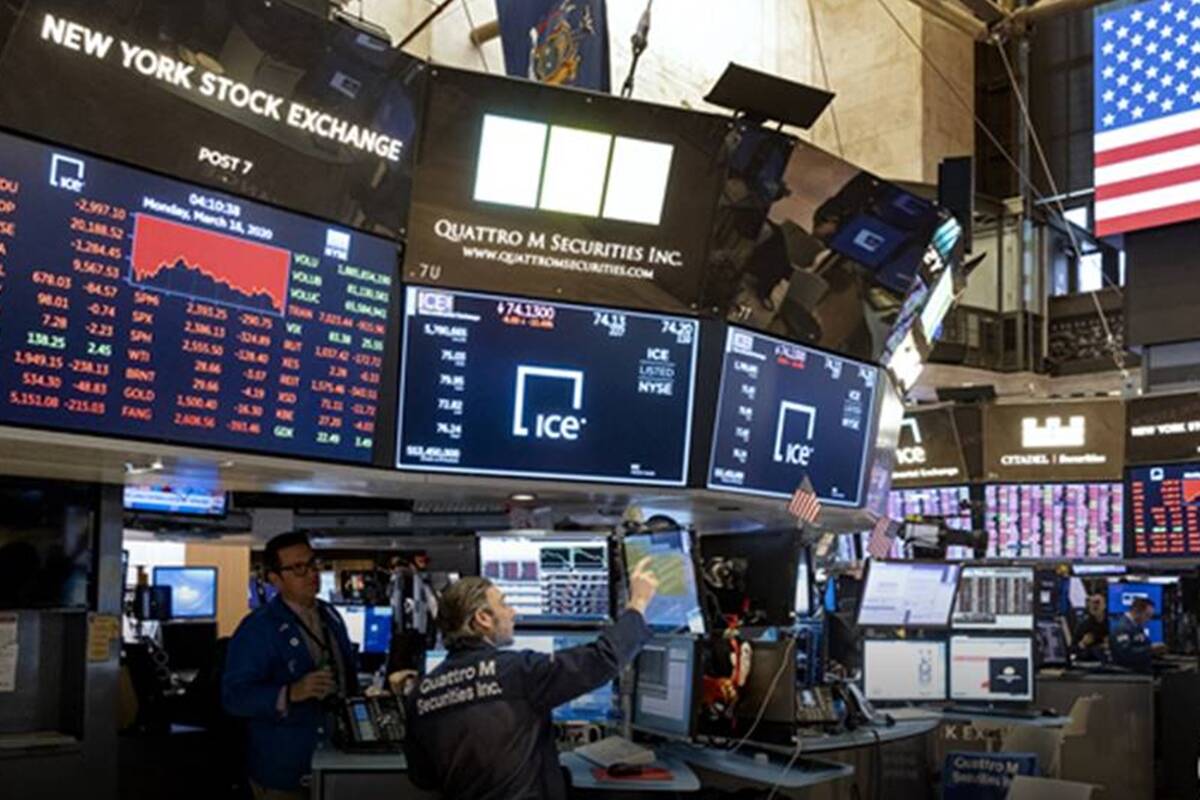
The New York Stock Exchange (NYSE) has overturned its decision to expel three Chinese telephone companies.
President Donald Trump signed a high-level executive order in November banning American investment in Chinese companies controlled or having interests by the military.
What Happened?
The NYSE announced on December 31 that it would set aside China Mobile, China Telecom and China Unicom.
Now, the U-has reversed its decision based on “ongoing consultation” with regulatory authorities.
“I suspect the NYSE has never sought to deregister (delist) these shares in the first place. They have used the leadership of the executive council,” Jeffrey Halley, Oanda’s chief market analyst, told the BBC.
“That interpretation has clearly changed and the NYSE has moved quickly to change course,” he added.
The US exchange had planned to expel and delist all three companies earlier this week.
Stock Reaction
Shares of all three companies surged on the Hong Kong stock market – where the companies are also listed – bouncing back after from punishing sessions in both New York and Hong Kong.
China Unicom increased 8.5%, China Telecom 8% and China Mobile 7%.
The NYSE has indicated that it may review the decision, saying it will continue to monitor the performance of Mr. Trump’s Executive Order in the three companies and the continuation of their listing.
US And Hong Kong Listing
The three companies receive all their money in China and there are no significant acquisitions or operations in the US
Like many other major Chinese companies, it has two lists in the US and Hong Kong.
There are currently more than 200 Chinese companies listed in the US stock market with a total investment of $ 2.2tn (£ 1.6tn).
In some cases, however, the list of their shares has been confused with the ongoing dispute over communications and trade between the US and China.
Mr Trump has not only forced companies to be removed, but has targeted many Chinese companies including TikTok, Huawei and Tencent for national security reasons.
China has responded with its banned list of US companies as tensions between these economic bulls increase.
On Monday a spokeswoman for China’s foreign ministry Hua Chunying had criticised the initial decision to delist the companies as “unwise” and reflective of how “random, arbitrary and uncertain” US rules can be.
Some analysts hope that the end of Trump’s administration could lead to a stabilization of trade disputes, as the Chinese government waits to see what course President Joe Biden can take on US-China relations.
“These are the actions of a dying state and China will likely meet the expectations of President Biden, and it will be even more clear about the normal approach to China-China relations from the new government,” Mr Halley said.

