
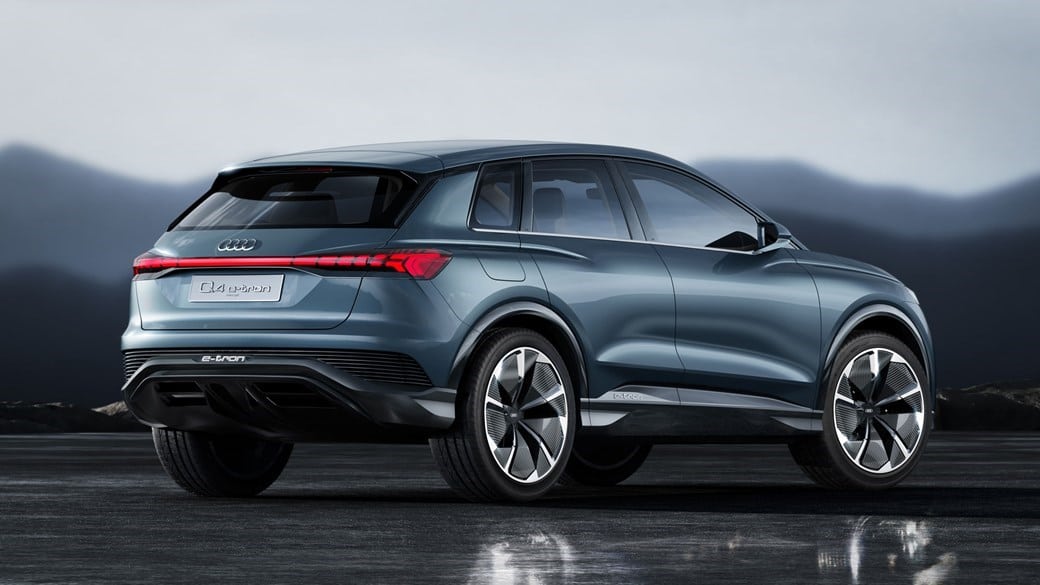
Audi is partnering with China’s oldest car marker FAW to produce luxury electric cars.
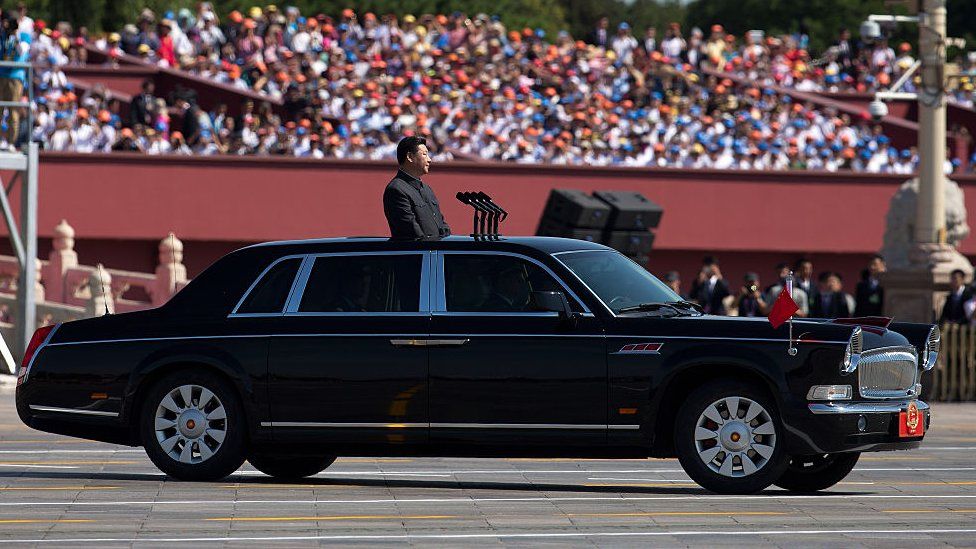
FAW is China’s third-largest car manufacturer, and it ranks Hongqi – or Red Flag – limousines for China’s communist party leaders among its products.
It has been trying to secure a place in the world’s largest electric car market against local rivals such as Geely and the SAIC.
Audi-FAW Partnership
The new cooperative factory will create fully functional Audi models.
The $ 4.6bn facility is expected to open in 2024 in Chungchun in China’s North Northeast, according to Audi.
“This partnership between Audi and FAW announces a new era of electrification as Audi’s next ‘decade of gold’ in the main Chinese market,” Audi China President Werner Eichhorn said in a statement.
China is the world’s largest market for Audi, with more than 700,000 vehicles sold by 2020.
The German luxury brand Audi wants electric cars to make up one-third of its sales in China by 2025.
Audi and its owner Volkswagen will have a 60% share in the joint venture, while FAW will have a 40% stake.
FAW is already producing Audi models locally and has a long-standing relationship with Audi and its parent company Volkswagen.
The company was created as part of an industrial operation campaign by Chinese Communist Party chairman Mao Zedong in the 1950’s.
Its Hungarian varieties, which were created to disperse strategists and communist party officials, became popular in the 1980s before being revived amid national incentives to promote Chinese varieties.
Chinese President Xi Jinping boarded a Hongqi limousine during a military parade to commemorate the 70th anniversary of the end of World War II in 2015.
FAW has sold more than 3 million units by 2020, including 200,000 of its outstanding Hong Kong vehicles.
The company plans to electrify most of its Hongqi models by 2025.
Growing Competition In EV Segment
Audi’s latest move comes in the wake of growing competition in the Chinese electric car market.
According to the International Energy Agency, there were 7.2 million electric vehicles on the general road by 2019, of which 47% are in China.
China’s electric car sales are expected to reach 1.8 million units this year, according to the China Association of Automobile Manufacturers.
The Competitors
The FAW-Audi bond is likely to compete with BMW, which has its own company that deals with electric car and Chinese car manufacturer Great Wall Motors.
Tesla is also a big name, with its first Chinese-made electric vehicles rolling off the assembly line of the car maker’s Shanghai gigafactory last year.
Many local startups, such as Nio, Aiways, XPeng, Li Auto and WM Motor are also fighting for a piece of the Chinese market.
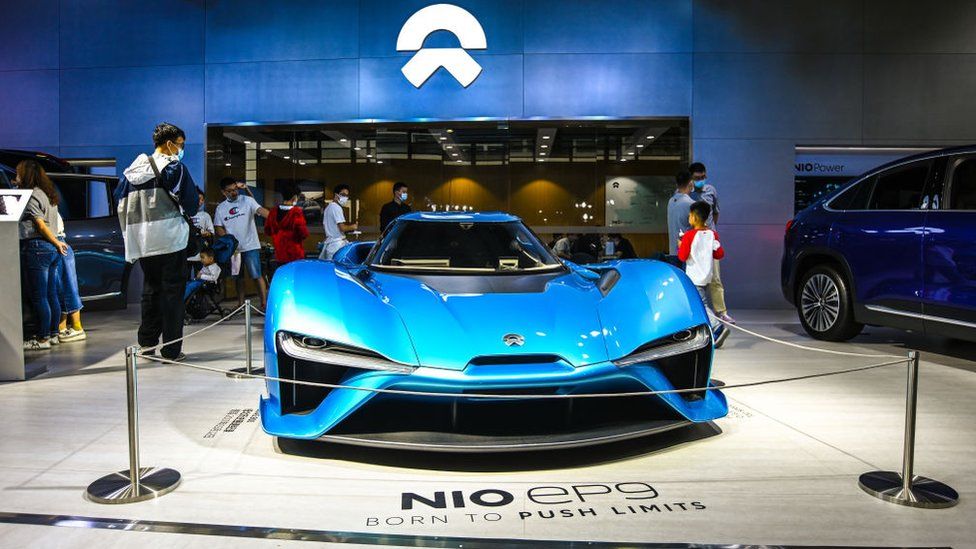
Increasingly, local electric vehicle markers have been seeking to incorporate high-tech features into their vehicles in a highly competitive effort.
Many have partnered with some of China’s largest technology companies to produce electric cars.
Chinese media have reported that Alibaba and SAIC will work together under a new premium electric car product called Zhiji, which will have new battery technology that will add to the car range.
Chinese search engine Baidu and iPhone maker Foxconn have also announced their partnership with Geely, China’s largest private car company.
Ride hailing app Didi Chuxing has also recently announced that it will be making electric cars designed for its services with automaker BYD.

